



Košice, national cultural monuments
Accommodation Košice
List of tourist attractions Košice
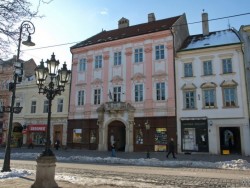
Barkóczy Palace
The Barkóczy Palace in Košice is one of the city’s most important Baroque monuments. Built in the second half of the 18th century for Archbishop Ferenc Barkóczy of Esztergom, it still impresses with its elegant architecture and richly decorated façade. Located in the historic center near Hlavná Street, the palace adds a touch of nobility to the row of aristocratic residences and sacred buildings. Visitors can enjoy the atmosphere of past centuries while strolling around the palace, which reflects the wealth and artistic taste of its era. Today, the building serves administrative purposes,...
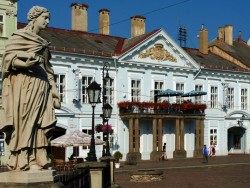
Csáky-Dezsőfi Palace
The Csáky-Dezsőfi Palace is a discreet urban gem in Košice’s historic center. Its refined façade, ornate cornices, and tall windows reveal a former aristocratic residence that today makes for a charming stop on a stroll between Hlavná Street and the surrounding lanes. The palace exudes old-world ambience—notice the balanced courtyard, subtle ornaments, and crafted portals. With cafés, galleries, and other landmarks nearby, it’s easy to pair your visit with a relaxed city walk.

Rodošto House
The Rodošto House is a unique historical monument in the center of Košice, commemorating the exile of the famous Transylvanian prince Francis II Rákóczi. The building is a faithful replica of his house in exile in the Turkish city of Tekirdağ (formerly Rodošto) and is part of the East Slovak Museum complex. Visitors can explore Rákóczi’s life and legacy, view period exhibitions, and gain a deeper understanding of the anti-Habsburg uprisings. It is a remarkable place connecting Slovak, Hungarian, and Turkish history and culture.
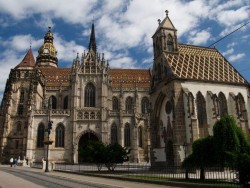
St. Elisabeth Cathedral
The St. Elisabeth Cathedral is a Gothic cathedral in Košice. It is Slovakia's biggest church. The record on the existence of Košice dating from 1230 in connected with that on the existence of the rectory church. In the process of the settlement's transformation from a rural community into a town, all its periods of success and failures had been reflected on St. Elizabeth's Cathedral. According to historic data the present-day cathedral was built on the site of an edifice of older date which was consecrated to St. Elisabeth as well. It was referred to in the document of Pope Martin...
Our tips
64.50 €
69.50 €
30.90 €


HEPEX Slovakia s.r.o.
All rights reserved.
Webdesign Pixa.sk
Change cookie settings